
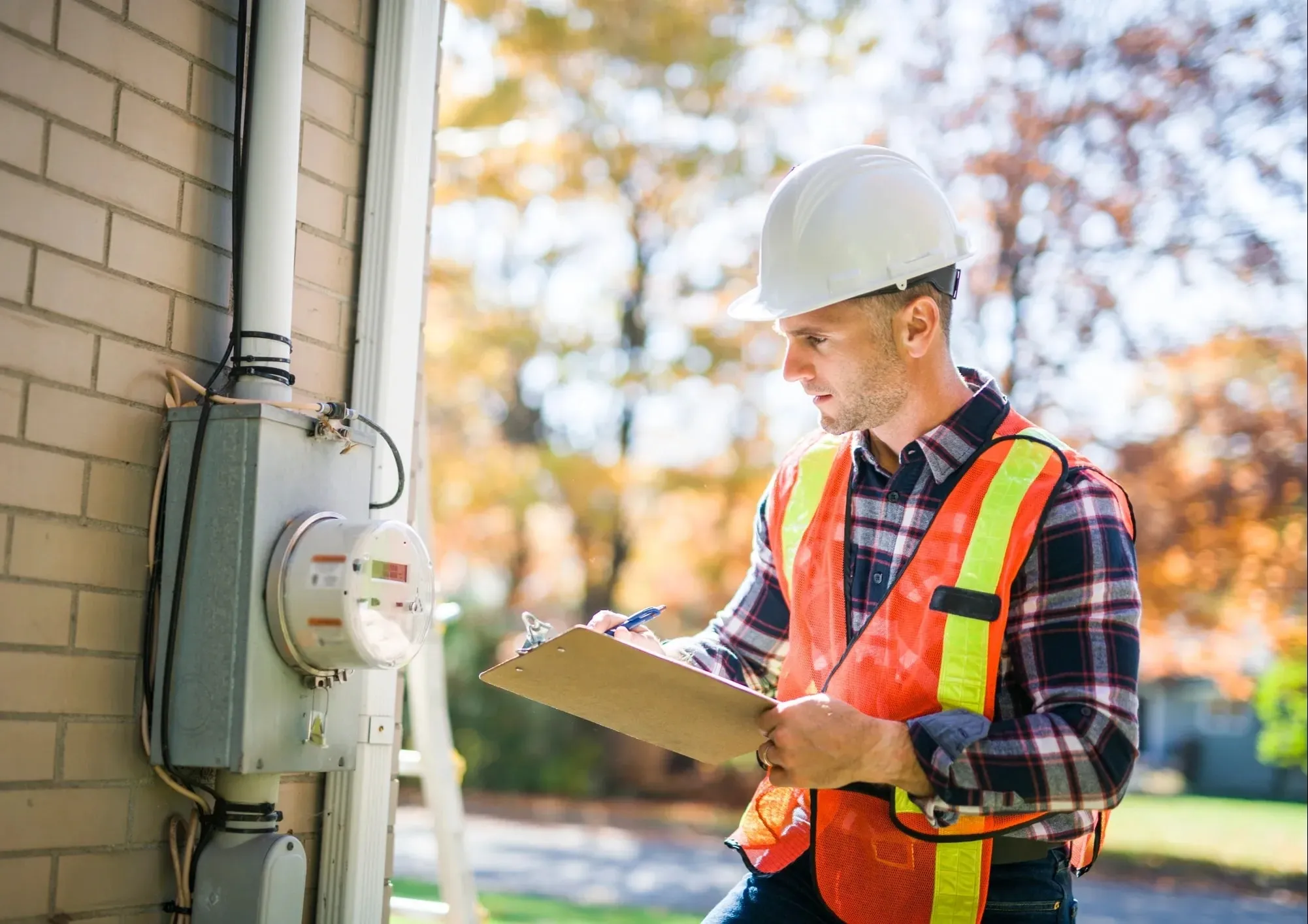
When a Home Electrical Inspection Makes Sense
Your electrical system does its work out of sight, so most problems stay hidden until something trips, flickers or fails. An electrical inspection by an experienced electrician gives you a clear picture before that happens.
Homeowners in Ann Arbor usually call us for an inspection when:
- They’re buying or selling a home
- A home inspector’s report flagged electrical items
- An insurance company asked for an evaluation
- The home is older and they aren’t sure what wiring it has
- They’re planning an addition, EV charger or other big load
- Something feels off, like frequent trips, warm outlets or flickering
Electrical Inspections for Home Buyers and Sellers
For buyers, an electrical inspection puts real answers behind the general notes in a home inspection report. You’ll know which items are minor, which need attention soon and what they’ll involve, which helps you plan and negotiate.
For sellers, an inspection before listing lets you fix problems on your schedule instead of in the middle of a deal. It also gives you written findings to share with buyers who have questions.
After a Home Inspector Flags Something
General home inspectors look at many systems in one visit, so their reports often say “recommend evaluation by a licensed electrician.” Common flags include:
- Double-tapped breakers (two wires under one screw)
- Missing GFCI protection in kitchens, baths or garages
- Open junction boxes or exposed splices
- Ungrounded three-prong outlets
- Older panel brands such as Federal Pacific or Zinsco
- Aluminum branch wiring or knob and tube wiring
We look at each item on the report, explain what it really means and give you an honest estimate for any repairs. For older panels, see our Federal Pacific and Zinsco replacement page.
Inspections for Older Ann Arbor Homes
Many homes around Ann Arbor have wiring from several eras. It’s common to find original cloth-insulated wiring alongside newer circuits added by different owners over the years.
We look for signs of aging insulation, overloaded circuits, missing grounds and old splices. If we find knob and tube wiring, we’ll note how much appears to be active and what your options are, from targeted replacement to a full rewire.
What We Check During an Electrical Inspection
Every home is different, but a typical inspection covers:
- Electrical panel. Condition, brand, breaker sizing, labeling, signs of heat or corrosion and available capacity.
- Service and meter. The service entrance, meter base and main disconnect.
- Grounding and bonding. Ground connections, water pipe and gas bonding.
- GFCI and AFCI protection. Where it’s in place and where it’s missing.
- Visible wiring. Wiring in the basement, attic, garage and crawl spaces where we can safely see it.
- Outlets and switches. A sample tested for polarity, grounding and wear.
- Overloaded circuits. Signs of heat, too many devices on one circuit or undersized wire.
- Smoke and CO alarms. Presence, placement and age.
Written Findings You Can Use
After the inspection, you get written findings in plain language. We separate safety concerns from items that can wait and from simple improvements. When repairs are needed, we explain the options and give you an honest estimate.
You’re under no pressure to hire us for the repairs. The findings are yours to use however you need, whether that’s planning, negotiating or answering an insurer.
How to Prepare for Your Inspection
A little preparation helps the visit go smoothly and lets us see more of your system:
- Clear a path to the electrical panel, attic hatch and basement
- Have the home inspection report handy if you have one
- Note any outlets, lights or breakers that act up
- Share any insurance forms or questions you need answered
If you’re selling, it helps to schedule before listing so there’s time for repairs.
Inspection Before Adding a Big Load
Planning an EV charger, heat pump, hot tub or addition? An inspection with a load review tells you whether your electrical panel and service can handle it, or whether an upgrade makes sense first.
Why Homeowners Trust Current Electrical Systems
We’ve been working in Ann Arbor homes since 1994, and our electricians are union trained through IBEW Local 252. We’ve seen nearly every kind of wiring the area’s houses have to offer. We explain what we find honestly and plainly, and there’s never a scheduling fee.